- 1. Understand Your Product
- 2. Consider Your Brand Identity
- 3. Choose the Right Material
- 4. Think About Product Protection
- 5. Consider the Customer Experience
- 6. Select a Box Style Based on Your Product Catego...
- 7. Consider Shipping and Storage
- 8. Think About Your Budget
- 9. Choose the Right Size
- 10. Explore Customization Options
- 11. Consider Sustainability
- 12. Test Before Placing a Large Order
- Conclusion
Choosing the right box style for your product is an important decision that can affect your brand image, customer experience, product protection, and overall packaging costs. A well-designed box does more than simply hold a product. It can make your product look more attractive, communicate your brand identity, and create a memorable experience for customers.
With so many packaging styles and options available, selecting the right box can sometimes feel overwhelming. From rigid boxes and folding cartons to mailer boxes and custom packaging, every style has its own advantages.
The best choice depends on your product, target audience, budget, shipping requirements, and branding goals. In this guide, we will explore the key factors you should consider when choosing the right box style for your product.
1. Understand Your Product
The first step in choosing the right box style is understanding your product. Consider its size, shape, weight, and level of fragility.
A delicate product may require a stronger box with protective inserts, while a lightweight product may only need simple folding carton packaging. If your product has an unusual shape, custom-designed packaging may be a better option than a standard box.
Think about how much protection your product needs during storage, transportation, and delivery. The right packaging should keep the product safe while still presenting it attractively to customers.
2. Consider Your Brand Identity
Your packaging should reflect the personality of your brand. The box style you choose can influence how customers perceive your business.
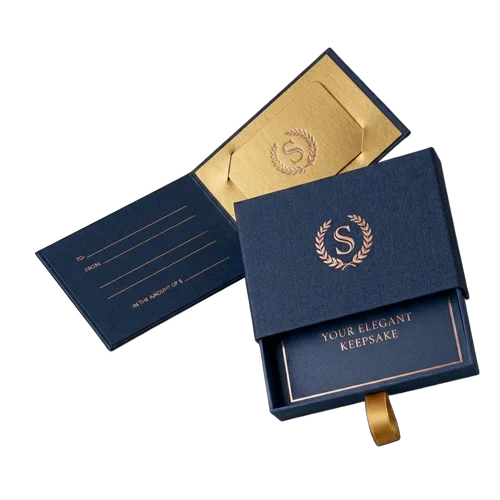
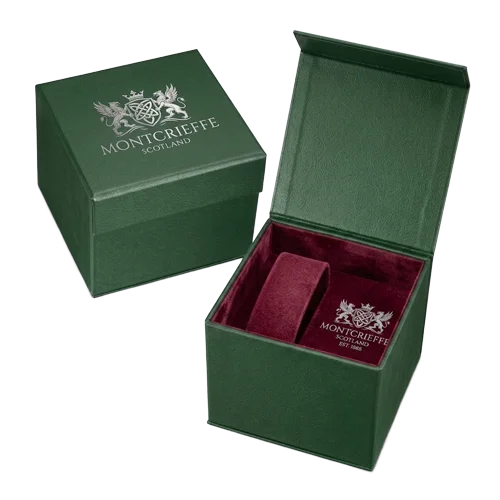
Luxury brands may prefer premium rigid boxes with elegant finishes, magnetic closures, or custom inserts. On the other hand, a modern lifestyle brand may choose minimalist mailer boxes with simple branding.
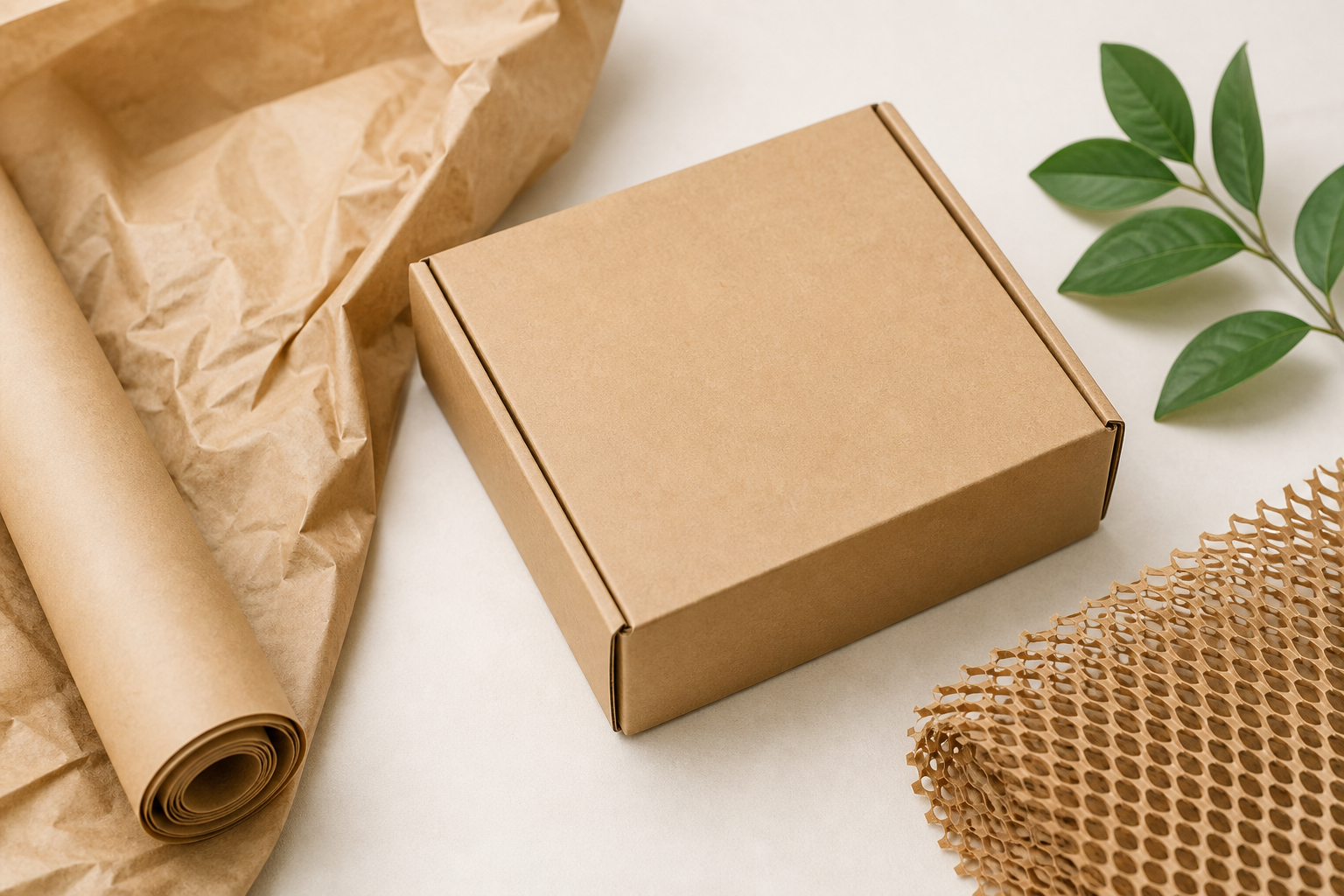
If your brand focuses on sustainability, kraft or recyclable packaging may better communicate your values.
Before selecting a box style, think about the message you want your packaging to send. Your packaging should feel like a natural extension of your brand.
3. Choose the Right Material
The material of your box plays an important role in its appearance, durability, and functionality.
Common packaging materials include:
- Cardboard
- Corrugated board
- Kraft paper
- Paperboard
- Rigid board
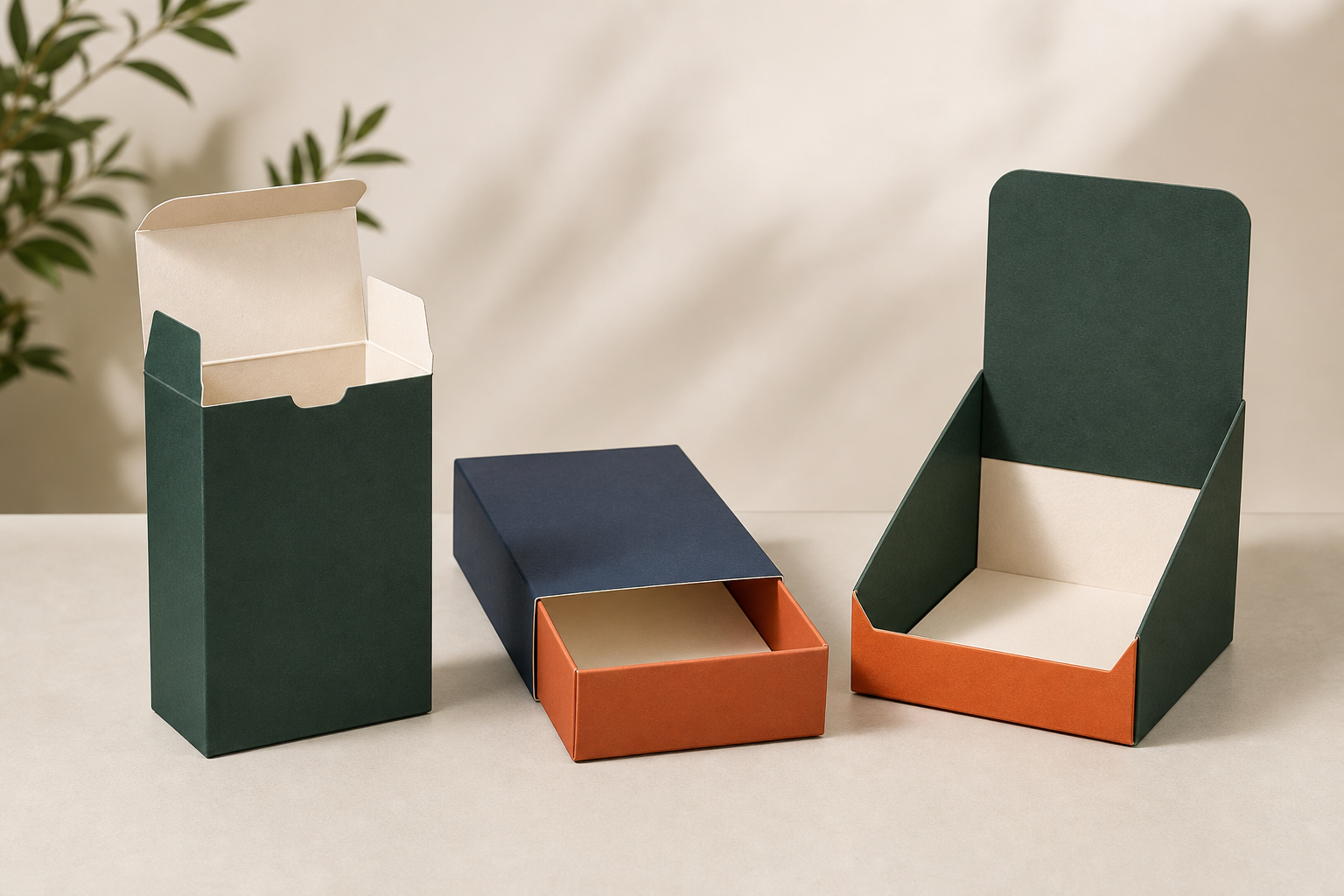
Folding cartons are often suitable for lightweight products and retail packaging. Corrugated boxes are useful when additional protection is required, especially for shipping. Rigid boxes are commonly used for premium products because they offer a strong and luxurious presentation.
The material you choose should provide the right balance between product protection, appearance, sustainability, and cost.
4. Think About Product Protection
One of the most important functions of packaging is protecting the product. A beautiful box is not useful if the product arrives damaged.
Consider how your product will be handled during transportation. If it is fragile, you may need additional inserts, foam, dividers, or cushioning materials.
For products such as cosmetics, electronics, glass items, or jewelry, custom inserts can help keep the product securely in place.
Always choose a box style that provides enough protection for your specific product and shipping conditions.
5. Consider the Customer Experience
Packaging is an important part of the customer experience. The moment a customer receives and opens your package can influence how they feel about your brand.
A well-designed box can make the unboxing process more enjoyable and memorable. Features such as magnetic closures, pull-out drawers, ribbons, custom inserts, and printed interiors can create a premium experience.
However, the best packaging is not always the most complicated. Even a simple box can create a positive experience if it is thoughtfully designed and easy to open.
Think about what you want your customers to feel when they receive your product.
6. Select a Box Style Based on Your Product Category
Different product categories often require different packaging solutions.
Cosmetic Products: Cosmetics often benefit from attractive folding cartons or premium rigid boxes. Clean graphics and high-quality printing can help communicate quality.
Jewelry: Jewelry packaging usually requires compact boxes with custom inserts to hold individual pieces securely. Premium materials and finishes can create a luxurious experience.
Apparel: Clothing can be packaged in folding cartons, mailer boxes, or rigid boxes depending on the product and brand positioning.
Food Products: Food packaging needs to consider product protection, hygiene, storage, and applicable packaging requirements.
Gift Products: Gift boxes often focus heavily on presentation. Decorative finishes, custom shapes, ribbons, and premium materials can make the product feel more special.
Choosing a box style that suits your product category can improve both functionality and customer perception.
7. Consider Shipping and Storage
If your products are shipped directly to customers, your packaging needs to be suitable for transportation.
Mailer boxes and corrugated shipping boxes are popular choices for e-commerce because they can provide protection while remaining practical to handle.
You should also consider how efficiently your boxes can be stored. Packaging that takes up too much warehouse space can increase operational costs.
Flat-pack or folding packaging can be useful for businesses with limited storage space because it can often be stored more efficiently before assembly.
8. Think About Your Budget
Your budget is another important factor when choosing a box style. Premium materials and custom features can increase packaging costs.
However, the cheapest packaging is not always the best choice. Poor-quality packaging can damage products and negatively affect your brand image.
Instead, focus on finding the right balance between cost, quality, functionality, and appearance.
If you are a growing brand, you can start with a simple but professional packaging design and introduce premium features as your business grows.
9. Choose the Right Size
The size of your box should match your product as closely as possible.
A box that is too large may require additional filling materials and increase shipping costs. A box that is too small may damage the product or create a poor presentation.
Custom-sized packaging can help create a better fit and reduce unnecessary space.
When determining the right size, consider the product itself, protective inserts, and any additional materials that will be placed inside the box.
10. Explore Customization Options
Custom packaging gives your brand the opportunity to stand out from competitors.
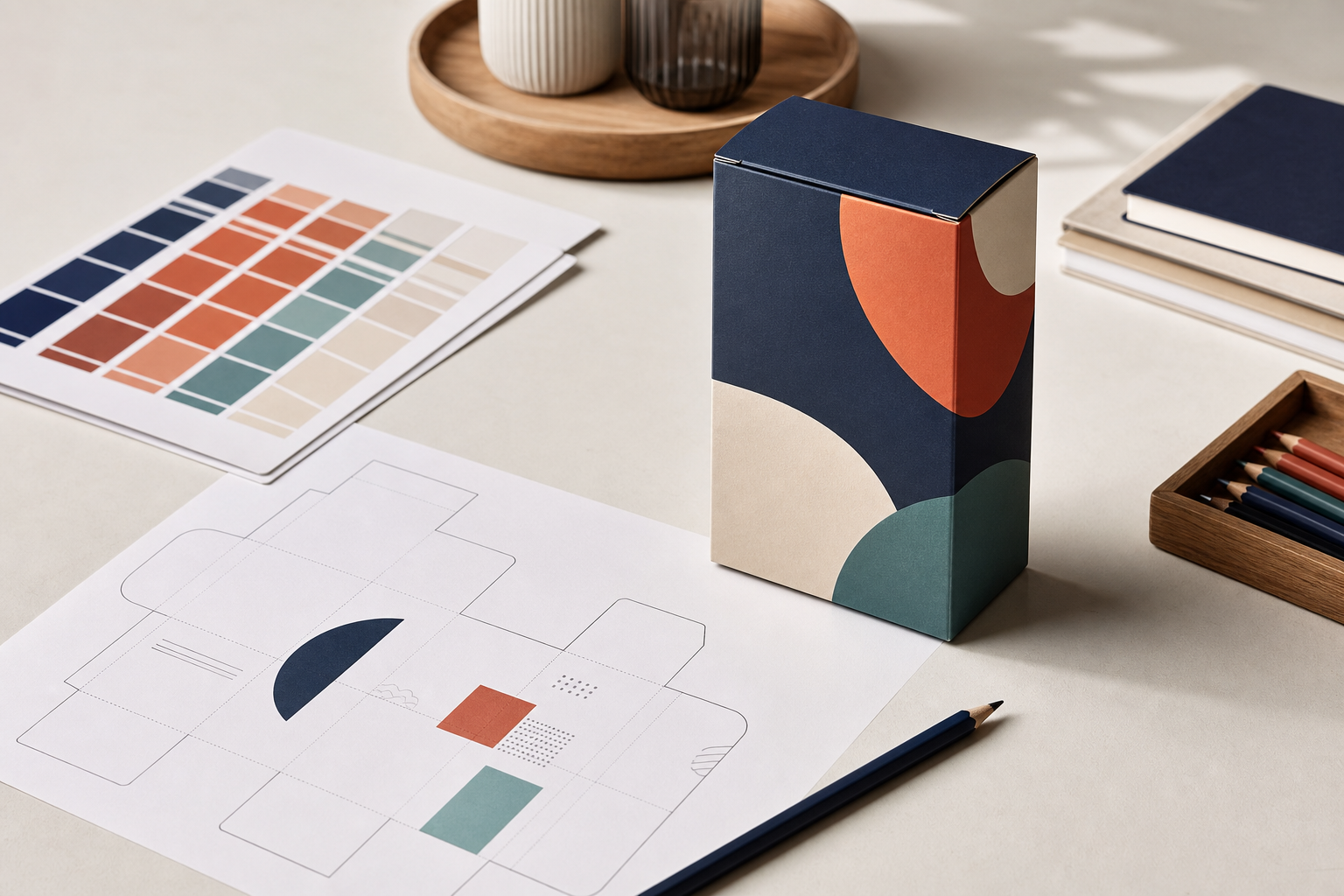
You can customize your box with your logo, brand colors, typography, patterns, illustrations, and messaging.
Additional printing and finishing options can also enhance the appearance of your packaging. Embossing, debossing, foil stamping, spot UV, and special coatings can create unique visual and tactile experiences.
The key is to choose customization options that support your brand rather than adding unnecessary details.
11. Consider Sustainability
Modern customers are increasingly interested in environmentally responsible packaging. When selecting a box style, consider whether the materials can be recycled, reused, or responsibly disposed of.
You can also reduce your environmental impact by choosing appropriately sized boxes and avoiding unnecessary packaging layers.
Sustainable packaging can also strengthen your brand image, especially if environmental responsibility is an important part of your business values.
12. Test Before Placing a Large Order
Before investing in a large quantity of packaging, it is a good idea to test your chosen box style.
Create a sample or prototype and check how the product fits inside. Test the opening experience and make sure the box provides adequate protection.
If your products are shipped, consider testing the packaging under realistic transportation conditions.
Testing can help you identify design or functionality problems before full-scale production and save your business from unnecessary costs.
Conclusion
Choosing the right box style for your product requires careful consideration of several factors. Your product type, brand identity, protection requirements, customer experience, budget, shipping needs, and sustainability goals should all influence your decision.
The perfect packaging is not simply the most attractive or expensive option. It is the box that protects your product, represents your brand, fits your budget, and creates a positive experience for your customers.
Whether you choose a folding carton, rigid box, mailer box, kraft packaging, or custom-designed solution, the right box style can help your product stand out and leave a lasting impression.
By taking the time to understand your product and customers, testing different options, and working with an experienced packaging provider, you can create packaging that not only looks great but also supports your brand's long-term growth.