
- What Is Sustainable Packaging?
- Why Sustainable Packaging Matters
- Choose Recyclable Materials
- Reduce Unnecessary Packaging
- Consider Reusable Packaging
- Explore Eco-Friendly Materials
- Use Minimalist Packaging Design
- Think About Packaging Size
- Communicate Your Sustainability Efforts
- Balance Sustainability and Product Protection
- Make Sustainability Part of Your Brand Identity
- Start Small and Improve Over Time
- Conclusion
As businesses grow, customers are becoming more conscious about the environmental impact of the products they buy. From the materials used to make a product to the way it is packaged, consumers increasingly want brands to make responsible choices. This shift has made sustainable packaging an important consideration for businesses of all sizes.
Sustainable packaging is not just about reducing waste. It is about choosing materials and designs that minimize environmental impact while still protecting products and delivering a great customer experience. For growing brands, adopting sustainable packaging can also help build a positive reputation, attract environmentally conscious customers, and create a stronger connection with the target audience.
In this practical guide, we will explore what sustainable packaging means and how growing brands can make better packaging choices.
What Is Sustainable Packaging?
Sustainable packaging refers to packaging that is designed and produced with the environment in mind. It aims to reduce waste, conserve resources, and minimize pollution throughout the packaging lifecycle.
Sustainable packaging can include recyclable, reusable, biodegradable, or compostable materials. It can also involve reducing the amount of material used or creating packaging that customers can reuse for another purpose.
The goal is to find a balance between environmental responsibility, product protection, functionality, and cost.
Why Sustainable Packaging Matters
Packaging plays an important role in modern business. While it protects products during storage and transportation, excessive or poorly designed packaging can create unnecessary waste.
For growing brands, sustainable packaging offers several benefits. It can improve brand perception, reduce unnecessary material usage, and help businesses respond to changing customer expectations.
Customers often appreciate brands that demonstrate responsibility toward the environment. When sustainability becomes part of your packaging strategy, it can become an important part of your overall brand identity.
Choose Recyclable Materials
One of the simplest ways to make packaging more sustainable is to choose recyclable materials. Materials such as paper and cardboard are widely used in packaging and can often be recycled when properly processed.
Using recyclable materials can help reduce the amount of packaging waste that ends up in landfills. It can also make it easier for customers to dispose of packaging responsibly.
Brands should also consider using packaging that is easy to separate and recycle. Avoiding unnecessary combinations of materials can make the recycling process simpler.
Reduce Unnecessary Packaging
More packaging does not always mean better packaging. Excessive layers, oversized boxes, and unnecessary inserts can increase waste and transportation costs.
Growing brands should evaluate whether every part of their packaging serves a purpose. If a material does not provide protection, information, or a meaningful customer experience, it may not be necessary.
Using the right-sized box for your product can also reduce material consumption. Smaller and lighter packages may require fewer resources to produce and can take up less space during transportation.
Consider Reusable Packaging
Reusable packaging is another effective approach to sustainability. Instead of designing packaging that customers immediately throw away, brands can create boxes and containers that have a second purpose.
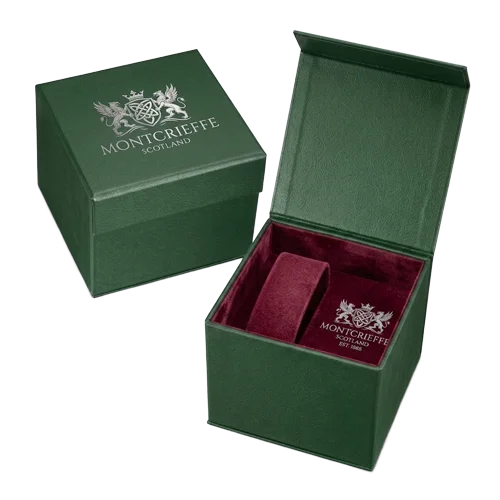
For example, premium rigid boxes can be reused to store jewelry, accessories, documents, or other personal items. Similarly, durable gift boxes can be kept and reused for future occasions.
Reusable packaging can extend the life of a package and provide additional value to customers. It can also keep your brand visible for longer because customers may continue using the packaging after purchasing the product.
Explore Eco-Friendly Materials
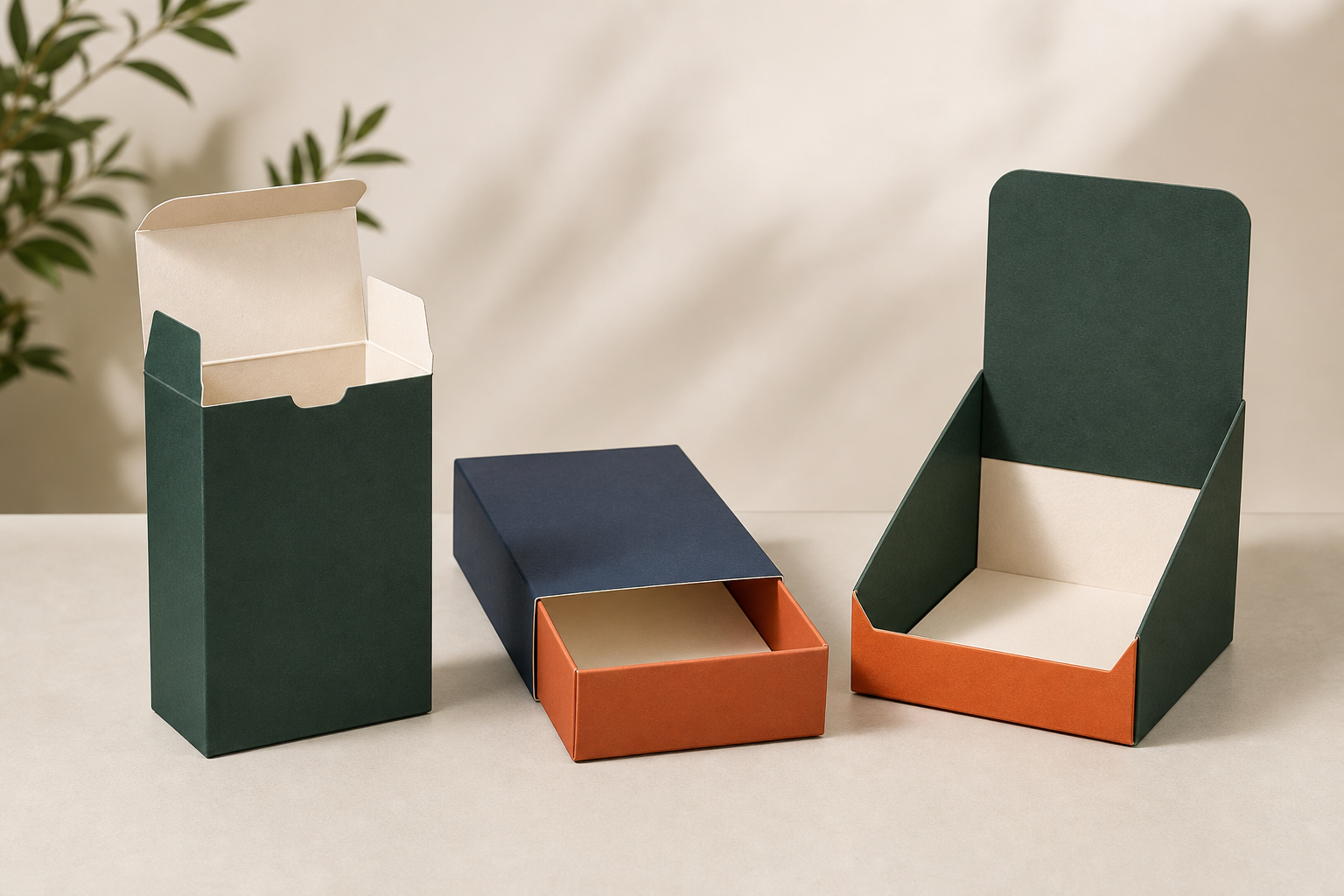
There are many materials that brands can consider when developing sustainable packaging. Recycled paper, kraft paper, recycled cardboard, and other responsibly sourced materials are popular options.
Kraft packaging, for example, can provide a natural and minimal appearance that works well for brands that want to communicate an eco-conscious identity.
However, choosing a material simply because it looks environmentally friendly is not enough. Brands should consider the complete lifecycle of the packaging, including how it is produced, transported, used, and disposed of.
Use Minimalist Packaging Design
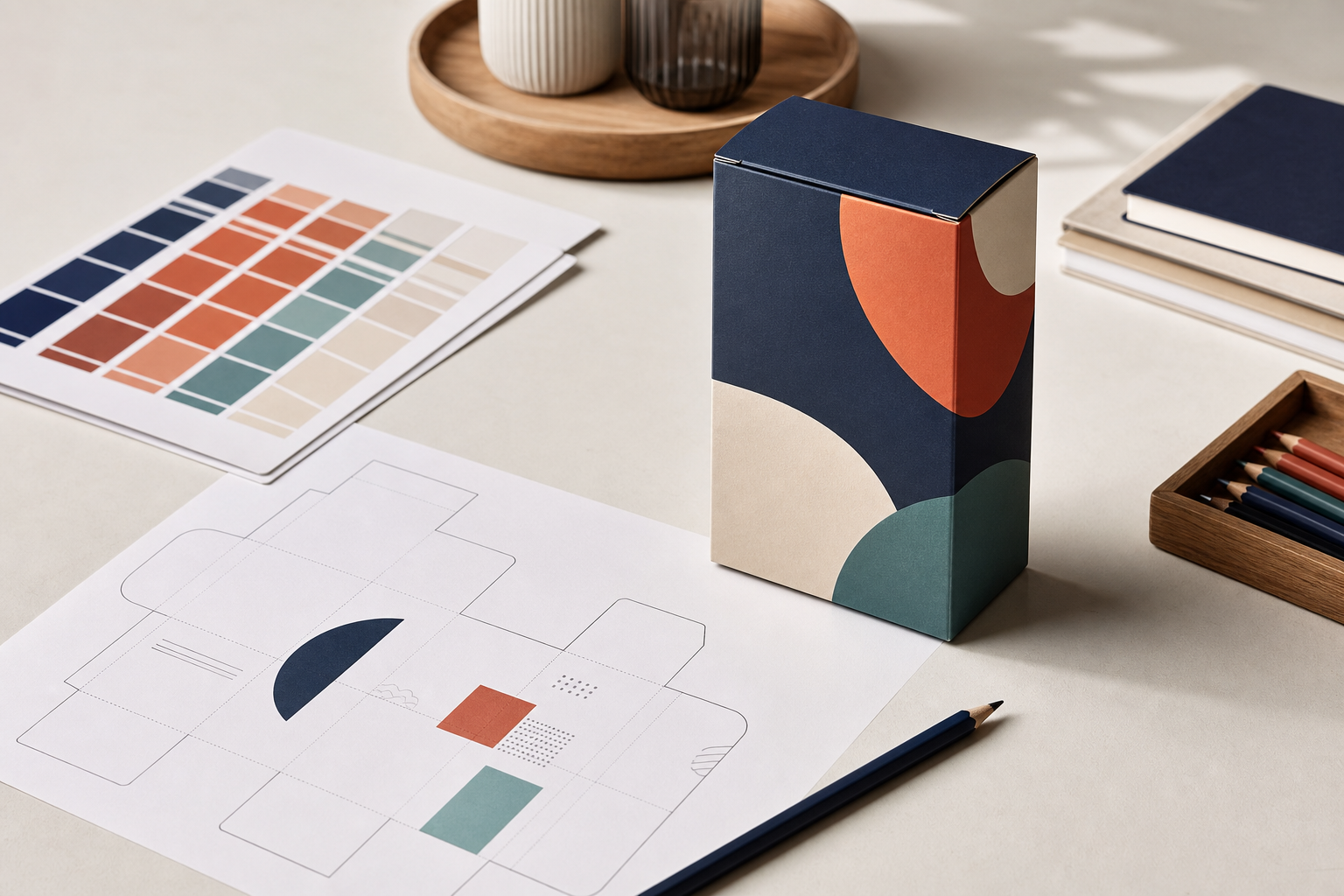
Minimalist packaging is not only a popular design trend but can also support sustainability goals. A clean design often requires fewer decorative elements and less unnecessary material.
Instead of adding multiple layers of packaging, brands can focus on creating a simple and effective design that communicates their identity clearly.
Minimalist packaging can also create a premium appearance. A well-designed box with a simple logo, carefully selected typography, and a thoughtful color palette can look more sophisticated than an overcrowded design.
Think About Packaging Size
The size of your packaging can have a significant impact on sustainability. If a small product is placed inside a much larger box, the additional space may require extra filling materials to prevent movement.
Oversized packaging can also increase shipping volume, meaning fewer products can fit into transportation vehicles.
Choosing packaging that closely matches the size of the product can help reduce material usage and improve shipping efficiency. It can also provide customers with a better experience by eliminating unnecessary packaging.
Communicate Your Sustainability Efforts
If your brand is making an effort to use sustainable packaging, let your customers know. Clear communication can help customers understand the choices your business is making.
You can include simple messages on your packaging explaining whether the box is recyclable, reusable, or made from recycled materials.
However, brands should always be accurate and transparent. Avoid making environmental claims that cannot be supported. Customers value honesty, and genuine sustainability efforts are more meaningful than exaggerated marketing statements.
Balance Sustainability and Product Protection
Sustainable packaging should still protect the product effectively. If packaging is too weak and products are frequently damaged during shipping, the environmental benefits can quickly be reduced.
Damaged products may need to be replaced, resulting in additional manufacturing, transportation, and packaging.
For this reason, brands should choose materials that provide the right level of protection for their products. The goal is not simply to use the least amount of packaging possible but to use the right amount of packaging efficiently.
Make Sustainability Part of Your Brand Identity
For growing brands, sustainability can become more than just a packaging decision. It can become part of the company's overall identity.
Businesses can consider sustainability throughout their operations, from sourcing materials to manufacturing, shipping, and product design.
When sustainability is consistently reflected in your business, customers are more likely to see it as a genuine part of your brand rather than a temporary marketing strategy.
Start Small and Improve Over Time
Sustainable packaging does not have to happen all at once. Growing brands can start by making small improvements and gradually developing a more sustainable packaging strategy.
For example, you might begin by reducing unnecessary packaging, switching to recyclable boxes, or choosing recycled materials. As your business grows, you can explore more advanced options and evaluate the results.
The most important step is to start thinking about the environmental impact of your packaging and identify areas where improvements are possible.
Conclusion
Sustainable packaging is becoming an important part of modern brand strategy. For growing businesses, it offers an opportunity to reduce waste, improve customer experiences, and demonstrate environmental responsibility.
By choosing recyclable materials, reducing unnecessary packaging, using appropriate box sizes, exploring reusable solutions, and communicating sustainability efforts honestly, brands can make meaningful improvements without compromising product protection or design.
The best sustainable packaging solutions are practical, attractive, and purposeful. They protect the product while using resources responsibly and creating a positive impression on customers.
As consumer expectations continue to evolve, brands that invest in thoughtful and sustainable packaging can build stronger relationships with their audiences. Sustainable packaging is not simply a trend—it is a smarter approach to packaging that can benefit both businesses and the environment for years to come.